3D printed back supports for wheelchair athletes 
Research and innovation
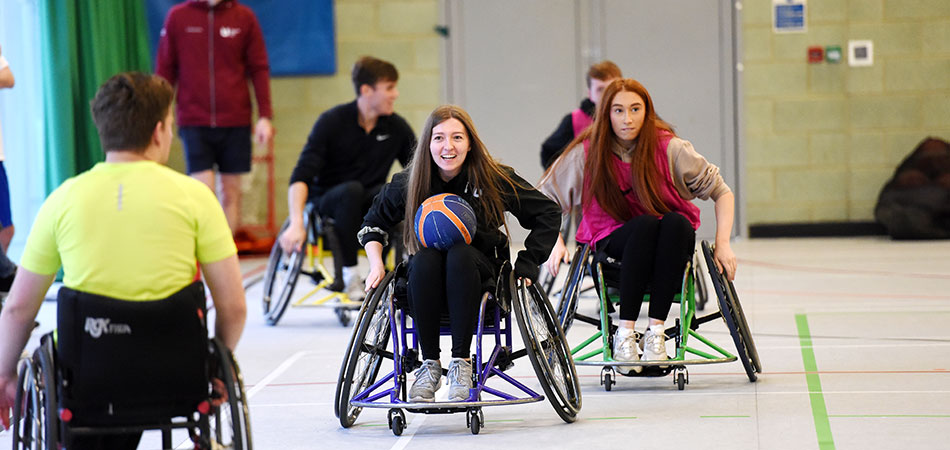
Teesside University researchers tested Adap2Align, a personalised 3D-printed back support, to improve comfort and performance for wheelchair athletes.
Utilising the budget of £3,000, the team were able to partner with Tees Valley Wheelchair Sports Club, Teesside Ability Support Centre and Yarm Sports and Physiotherapy Clinic to survey wheelchair users in the Tees Valley region in a project to better understand their musculoskeletal problems and needs.
The team were able to leverage additional contacts, and by doing so were able to extend the survey to a national level. This broader scope provided significant insights into the prevalence and nature of musculoskeletal pain amongst wheelchair users, informing not only the project, but providing valuable data for future research.
Through engagement with beneficiaries and stakeholders, the project has been successful in achieving its objectives. The project has already engaged with over 200 participants, with 32 respondents providing detailed feedback that has been crucial in understanding the specific needs and challenges faced by wheelchair users. This sits alongside regular consultations with healthcare professionals, physiotherapists, and experts in wheelchair sports. Further engagement took place with user groups and advocacy organisations, such as the Teesside Ability Support Centre, to ensure that voices of wheelchair users are central to the design and development process.
Based on user feedback and expert consultations, the team have developed prototypes of three user-friendly versions of customised back support for wheelchair users. These prototypes were designed in collaboration with stakeholders, to ensure that they meet their needs and preferences. This feedback will contribute to further refinement.
The team have now applied for a larger grant from the Motability Research Grant Fund and are currently awaiting the outcome. Stakeholders have been engaged in the planning process for this, to ensure that future developments align with their needs and expectations. If successful, this additional funding will allow them to continue the project, aiming to address the needs and improve the quality of life of wheelchair users.
Potential future development for the back support is the integration of sensors, to capture the usability of the support, and to assess where pressure is being applied. There is even scope here for further development, including Bluetooth connectivity that the user can interact with.