
Arjun Khatiwada Profile
Staff profile
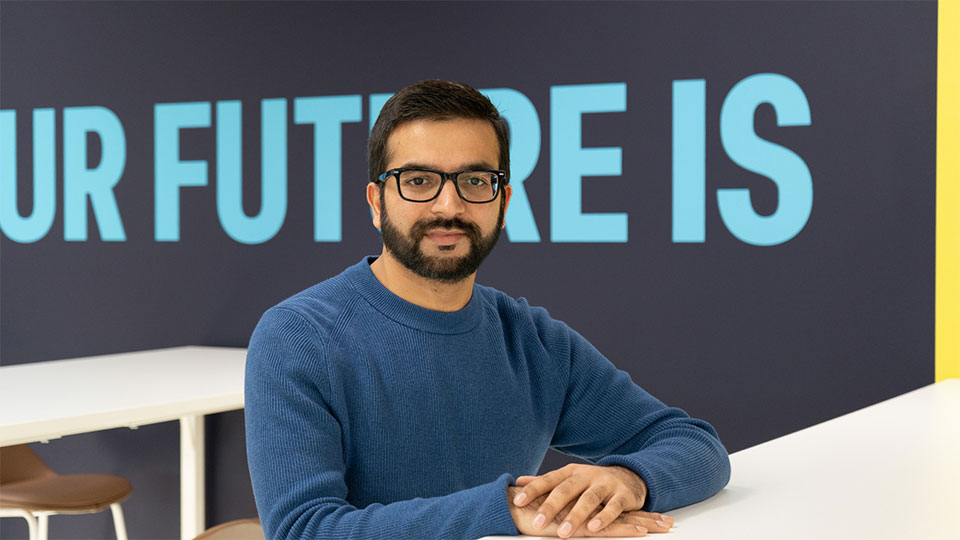
I teach both undergraduate and postgraduate computer science courses, covering modules such as Big Data and Data Visualisation, Statistics, Software Development, and Data Governance.
- Tutor in Computing
What do you most enjoy about teaching at Teesside University London?
I particularly enjoy watching students interact with new ideas and gradually develop the curiosity to explore topics beyond the formal syllabus. I design each teaching session to balance theory with practical lab work, enabling students to apply concepts immediately through hands-on activities. This structure not only strengthens their understanding but also builds their confidence in translating theoretical knowledge into real-world practice.
I also value the opportunity to embed employability and professional skill development. Through activities such as researching industry trends, developing digital and presentation skills, and engaging with professionals, students cultivate reflective practice, relationship-building, creative problem-solving, and global communication skills. By integrating academic learning with professional development from the outset, students are better prepared for success throughout their studies and beyond.
How do your students benefit from your experience?
Having worked across several industries like retail, e-commerce, technology, and finance, I bring practical insights into the classroom that help students understand how academic concepts are applied in professional settings.
My previous roles as a Business Intelligence Analyst, Business Intelligence Engineer, and Data Analyst enable me to share real examples of problem-solving, teamwork, and decision-making in data-driven environments. I also encourage students to revisit core principles regularly and practice consistently to build confidence and long-term understanding.
Tell us about your career
My career has spanned both academia and industry. I began by teaching mathematics, statistics, and computer science at various levels before transitioning into data-oriented roles, including Business Intelligence Analyst at an e-commerce company, BI Engineer for a financial organisation in the United States, and Data Analyst in the technology sector. With over 8 years of teaching experience, I currently teach computer science courses and contribute to module design, delivery, and assessment.
What industry links do you have?
I maintain active professional connections with colleagues and practitioners across the data analytics, business intelligence, and technology sectors. These relationships allow me to stay informed about current developments, tools, and trends within the industry. They also help me ensure that my teaching remains relevant to the expectations and standards of modern data-driven workplaces.
How has your industry experience enhanced your teaching?
My professional background enables me to design lessons that are both conceptually strong and practically relevant. I frequently incorporate case studies, real datasets, and examples drawn from past projects to illustrate how theoretical ideas translate into workplace scenarios. This approach encourages students to learn through application rather than memorisation and helps them develop problem-solving skills.
What has been the highlight of your career so far?
Witnessing students successfully apply classroom learning to real-world contexts. Receiving positive feedback from students who have gained confidence and practical understanding through my guidance has been especially fulfilling. These experiences continually reinforce my commitment to teaching and mentorship.
Why should students consider studying this course?
This course offers a balanced combination of theoretical knowledge and hands-on experience. Students can work with real data, modern technologies, and analytical tools that are widely used in the industry. More importantly, the course helps them develop logical thinking, problem-solving ability, and adaptability skills that are essential for long-term success in data and computing professions.
What is the best piece of advice you have for your students?
Approach learning with curiosity and persistence, embrace challenges as opportunities to grow, and actively apply what you learn through practice and reflection because true understanding comes from engaging, questioning, and exploring beyond the syllabus.