ATK Budapest
AMIGO-Biochar: Advanced Manufacturing of Biochar
Research and innovation
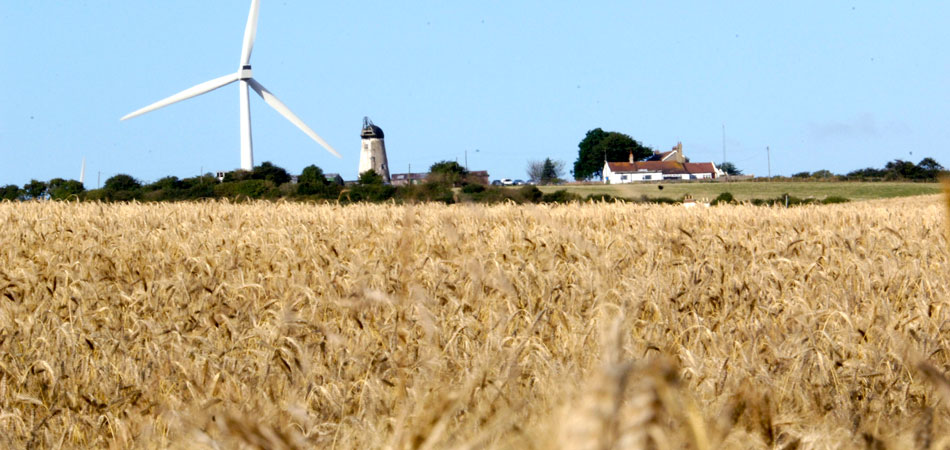
AMIGO-Biochar: Advanced Manufacturing of Biochar is an international collaborative project involving partners from the UK, China, Hungary, Malaysia and Nigeria. The project aims to advance biochar manufacturing by developing skills and evaluating a range of production techniques, across different scales and conditions, to optimise the pyrolysis process for biomass that is abundant in participating countries.
Alongside improvements in biochar production, the project explores biochar’s potential as a sustainable agronomic amendment. In collaboration with Teesside University and ATK Budapest (HUN-REN Centre for Agricultural Research), this study focuses on biochar’s ability to enhance crop resilience, particularly reducing the risk of crop lodging in cereals. By examining the physical and structural responses of barley to biochar application, the research supports environmentally responsible approaches to strengthening crops while contributing to Net Zero agricultural systems.
Challenge
Crop lodging – the permanent bending or collapse of plant stems caused by wind and rainfall – poses a major challenge to cereal production. Lodging can result from either root or stem failure and leads to significant yield losses, reduced grain quality and increased management costs. In the UK alone, lodging is estimated to cost agriculture millions of pounds annually.
Current mitigation methods, such as the use of Plant Growth Regulators (PGRs), are costly and can leave chemical residues in the environment. As climate change increases the frequency of extreme weather events, there is a growing need for sustainable, low-impact alternatives that improve crop stability and resilience without increasing chemical dependency.
Solution
The research investigated how biochar application influences key agronomic traits associated with lodging resistance in barley. Field experiments were conducted at two sites in Hungary using varying biochar application rates. Agronomic measurements were combined with meteorological data, including wind speed and rainfall probability, to assess lodging risk under typical Hungarian weather conditions.
These data were integrated into a mechanical lodging model to estimate the probability of lodging across different treatments. This interdisciplinary approach enabled the researchers to examine how soil amendments, plant structure and environmental factors interact, while identifying potential optimum biochar application rates for improving crop stability.
By bridging soil science, crop physiology and structural mechanics, the study demonstrates how biochar can function as a material-based intervention to support more resilient cropping systems.
Impact
The project provides early evidence that biochar can strengthen plant structure and reduce susceptibility to lodging, contributing to more stable and sustainable cereal production systems. By linking experimental agronomic data with mechanical and meteorological modelling, the research establishes a robust framework for predicting lodging risk under different soil amendment scenarios.
The findings highlight biochar’s dual role as both a carbon sequestration tool and a practical agronomic solution, with the potential to reduce reliance on chemical growth regulators. The work also strengthens international collaboration between the UK, Hungary and other partner countries, advancing shared objectives in sustainable agriculture and climate adaptation.
Ongoing analysis will help refine recommendations for biochar use in cereal production and support wider efforts to transition toward Net Zero agricultural systems.
In a changing climate, strengthening crop resilience to lodging is essential for sustainable agriculture. This project explored how biochar can enhance plant structure and reduce lodging susceptibility, offering a pathway toward more climate-resilient cropping systems. I would like to thank the British Council for supporting this collaboration, as well as the project PI, Dr Tannaz Pak (Teesside University), Dr Mark Rékási and Dr Péter Ragályi (ATK Budapest), for their valuable contributions. I would also like to thank my student, Vicent Kitenda, for his support with field data collection and other aspects of the project.