Teesside University expert answers BBC audience questions about AI
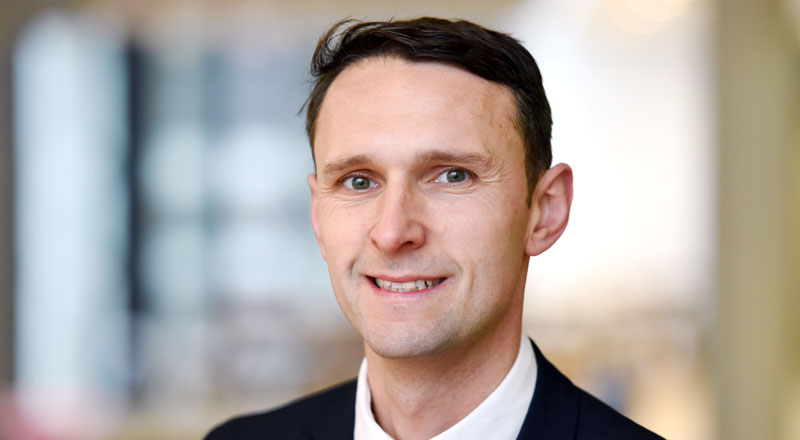
Artificial intelligence is rapidly becoming part of everyday life – from the content we see online to innovations in manufacturing and industry. As the North East of England and Cumbria emerge as growing hubs for AI development, people across the region are asking important questions about how the technology works, how to spot AI-generated content and how to use it responsibly. David Hughes, Associate Dean for Research and Innovation, recently shared his insights with BBC, answering questions from audiences across the region. Professor Hughes also advises the UK Government on artificial intelligence and digital innovation.
Understanding AI - and why people shouldn't fear it
Artificial intelligence refers to computer systems that can perform tasks that normally require human intelligence, such as analysing data, recognising patterns, generating content or supporting decision making.
While AI technologies continue to evolve rapidly, Professor Hughes emphasised that people should not be afraid of them.
Instead, he says it is important to understand how the technology works and how it can be used responsibly.
Staying safe in an AI-driven digital world
One of the questions raised during the BBC discussion focused on security risks associated with AI.
Professor Hughes explained that there are risks – particularly around fraud and misinformation – but stressed that trusted sources remain key.
He encouraged people to rely on credible organisations and platforms that are accountable for the information they publish.
Spotting AI-generated content
Another question focused on how people can tell whether an image or piece of content has been created using AI.
In the past, AI-generated images often contained obvious visual mistakes, but as the technology improves those clues are becoming less reliable.
Instead, Professor Hughes suggests people should think critically about the content they encounter online.
He recommends considering:
- where the content comes from
- who created or shared it
- whether it is designed to provoke a strong emotional reaction.
Taking a moment to reflect on how content makes you feel can often be a useful indicator that something may not be trustworthy.
If it's trying to spark a big reaction in you, just trying to get you to click on it and engage in it, then that's never healthy.
AI innovation across the region
The North East is increasingly becoming a centre for AI innovation and development. New AI growth zones have been announced at sites in Blyth, Northumberland and Cobalt Park in North Tyneside, while businesses across the region are already applying the technology in practical ways.
In Cumbria’s nuclear sector, AI-trained robots are being used to carry out tasks that would otherwise be unsafe for humans. In Sunderland, manufacturers are using AI to help make vehicles safer.
These developments demonstrate the growing role AI is playing across industries, from energy to manufacturing.
Balancing innovation and sustainability
Some people are also concerned about the environmental impact of artificial intelligence, particularly the energy used by large data systems.
Professor Hughes acknowledged that AI and data processing require significant energy resources. However, he noted that the technology sector is increasingly focused on improving efficiency and using renewable energy where possible. Ultimately, he emphasised the importance of responsible use.
“Data uses energy, there’s no question about it,” he said. “But people in the industry are always trying to use green energy and more efficient methods – and we all need to use these technologies responsibly.”
Supporting the responsible use of AI
Through research, innovation and collaboration with industry and government, Teesside University continues to contribute to conversations about the future of artificial intelligence.
By helping people better understand the opportunities and challenges of AI, the University aims to support businesses, policymakers and communities as they navigate the digital future.