SME export workflow pilot
London Sock Company x Boex
Research and innovation
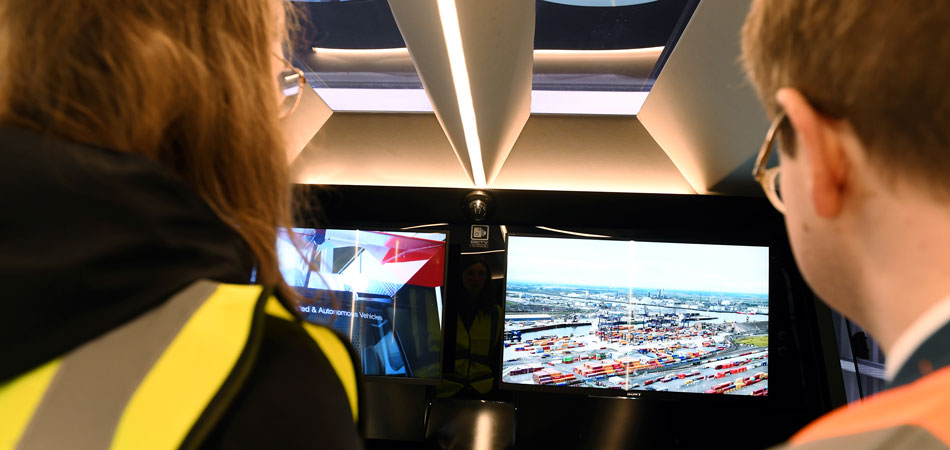
This pilot explored how digital trade infrastructure can support UK SMEs exporting to Japan by simplifying documentation processes and improving coordination between buyers and sellers. The focus was on the end-to-end SME user experience – specifically how exporters can initiate, manage, and reuse trade transactions with reduced friction and greater visibility.
London Sock Company participated as the SME exporter, working with Boex to test a shared digital workspace for managing cross-border trade documentation.
Challenge
SMEs face significant barriers when entering new export markets, particularly during initial transactions. Traditional export workflows are often fragmented, relying on email chains, manually shared PDFs and informal version control.
This creates several issues, including:
- lack of clarity over document versions and approvals
- high administrative burden and duplicated effort
- increased risk during first shipments due to uncertainty and miscommunication
- slow coordination between buyer, seller and logistics partners
- difficulty creating reusable, standardised transaction records.
For SMEs with limited capacity, these challenges can delay market entry and reduce confidence in exporting.
Solution
The pilot tested the Boex shared digital trade workspace as a coordination layer between UK exporters and overseas buyers.
The platform enabled users to:
- open a trade and invite counterparties into a shared workspace
- create, upload and manage key trade documents in one place
- maintain version control and clear approval status across parties
- establish a a single, agreed ‘source of truth’ for the transaction
- archive completed trades as reusable records for future shipments.
Importantly, Boex was not positioned as a replacement for logistics or fulfilment systems, but as a digital layer that sits alongside existing processes – improving documentation coordination and reducing friction without requiring full system change.
Impact
The pilot demonstrated how a simplified digital workflow can meaningfully improve SME export readiness and confidence.
Key impacts included:
- cost efficiency: reduced duplication of document creation and administrative rework by centralising communication and version control
- risk reduction: improved clarity over document approval and reduced uncertainty during first shipments, supporting smoother market entry
- time savings: faster coordination between buyers and sellers, with a reusable transaction structure supporting repeat exports.
The pilot highlights that SME digital trade adoption is less about complex system integration and more about practical usability. Success depends on reducing documentation friction, embedding tools into existing workflows, and supporting SMEs with clear onboarding pathways and guidance.